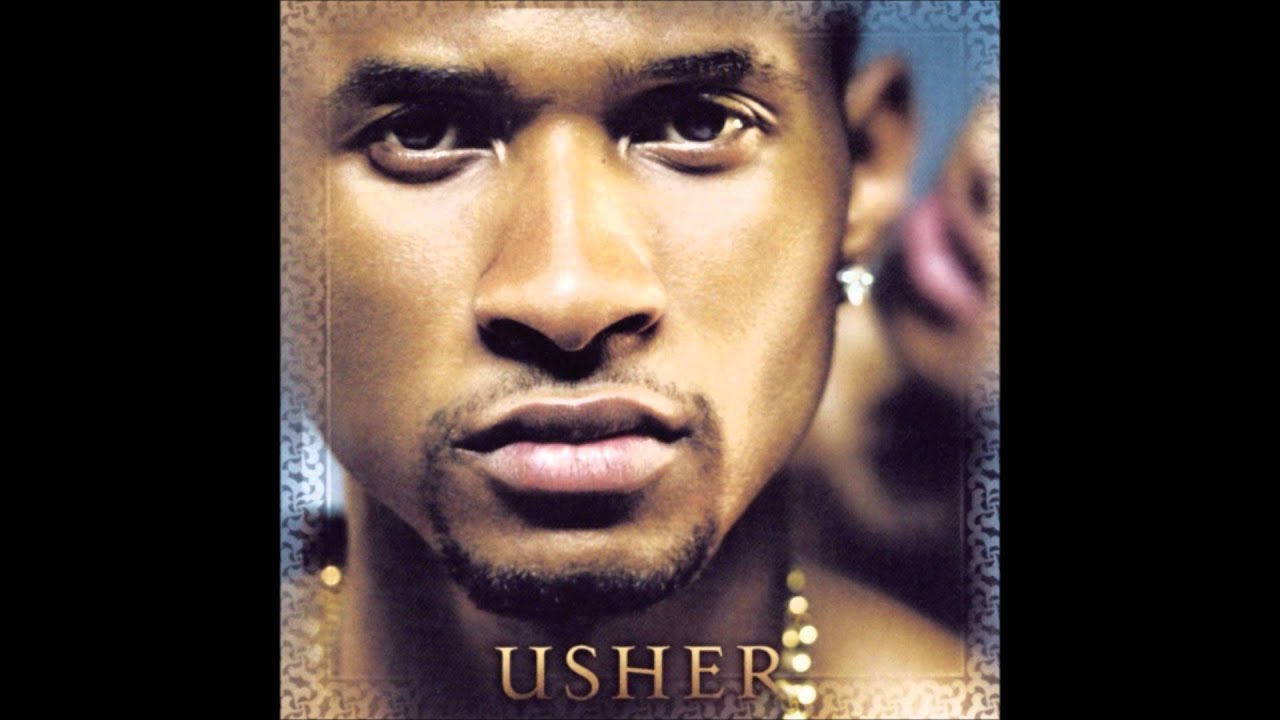
Twenty years. It took two full decades for the R&B world to finally get the sequel it didn't know it could actually have. When Usher dropped the news about Usher Confessions Part 2, the internet basically melted. People weren't just excited; they were confused, nostalgic, and a little bit skeptical. Could he really capture that 2004 lightning in a bottle again? Honestly, the original Confessions wasn't just an album. It was a cultural reset that defined an entire era of toxic—but smooth—R&B.
But here is the thing about the follow-up.
It isn't just a song or a simple "Part 2" in the way we usually see in music. It’s a continuation of a narrative that Jermaine Dupri and Usher started when George W. Bush was still in his first term. The rumors started swirling back in 2019 when JD posted a video from the studio. You could see a whiteboard in the background. On that board? The words "Confessions Part 3." Wait, Part 3? Yeah, that sent everyone into a tailspin because most people were still looking for the official "Part 2" to the storyline of the original song.
What Actually Happened with Usher Confessions Part 2?
To understand the sequel, you have to look at the anatomy of the original hit. In 2004, "Confessions Part II" gave us the legendary "I'm down to one knee" moment. It was a story about infidelity, a "chick on the side," and an unplanned pregnancy. It was messy. It was visceral. It was also, as we later found out, mostly Jermaine Dupri’s life story, not Usher’s.
Fast forward to the modern era. When Usher began teasing new music, he leaned heavily into that legacy. The "sequel" we eventually got wasn't just a single track; it was a vibe that culminated in the 2024 album Coming Home. But specifically, the track "Confessions Part III" (which acts as the spiritual and literal Usher Confessions Part 2 for the modern age) took the story to a darker, more complex place.
It's meta. It's self-aware.
In the newer iteration, the lyrics take a sharp turn. Instead of just another "I cheated" anthem, it addresses the fallout of those secrets. The song mentions a "test" and "the DNA," bringing the 2004 storyline to a definitive, if painful, resolution. It’s about the reality of living with the choices made twenty years ago. You aren't just listening to a pop song; you're hearing the mid-life crisis of a character we met in our teens.
The Jermaine Dupri Connection
You can't talk about this record without talking about JD. He’s the architect. He’s the one who pushed Usher to be vulnerable—or at least to sell vulnerability better than anyone else in the game. During their various Instagram Live sessions and studio leaks, it became clear that Usher Confessions Part 2—or the "Part 3" it evolved into—was designed to trigger our collective memory.
They knew exactly what they were doing.
Social media played a huge role in the rollout. Unlike 2004, where you had to wait for the music video to premiere on TRL, Usher was able to A/B test the nostalgia. He performed snippets during his Las Vegas residency. He watched the TikTok reactions. He saw that the "Coming Home" era needed that bridge to the past.
- The original peaked at number one on the Billboard Hot 100.
- The sequel focused more on storytelling than chart-topping.
- The production shifted from mid-2000s snap-and-roll to a more atmospheric, mature R&B sound.
Why the Fans Were Divided
Not everyone was sold on the idea of revisiting the past. Some critics argued that by labeling new tracks as sequels to Confessions, Usher was playing it safe. They called it "nostalgia bait." They weren't entirely wrong, but they missed the point of what R&B is at its core. It's about the soap opera. It's about the long-form drama of a man trying to find his way back to "the one" while constantly tripping over his own ego.
Bryan-Michael Cox, another legendary producer on the project, noted in interviews that the goal was to keep the "DNA" of the original while making it sound like something recorded in the 2020s. That’s a hard line to walk. If you go too retro, you're a legacy act. If you go too modern, you lose the fans who want to feel like it’s 2004 again.
The nuance here is in the vocal delivery. Usher’s voice has aged like fine wine. It’s deeper, more resonant. When he sings about regret now, it feels earned. In 2004, he sounded like a kid caught with his hand in the cookie jar. In the Usher Confessions Part 2 era, he sounds like a man looking at the wreckage of a life he built on secrets.
The "Part 3" Confusion
Let’s clear this up once and for all. There is a lot of "Part 2" and "Part 3" talk floating around.
The original song from 2004 was titled "Confessions Part II."
The new track released during the lead-up to his 2024 projects is titled "Confessions Part III."
So, when people search for "Part 2," they are often looking for the new sequel to the old sequel. It’s confusing, right? Basically, Usher skipped a number or, more accurately, treated the original as a two-part story and this new era as the third act. The "Part 3" lyrics actually reference the "Part II" lyrics directly, creating a loop.
"You remember what I told you in Part II? Well, this is the rest of it."
That’s the hook. That’s how he gets you. It makes you want to go back and listen to the old record just to make sure you didn't miss a detail. It’s brilliant marketing disguised as a diary entry.
The Impact on the 2024 Super Bowl and Beyond
The timing of the "Confessions" resurgence wasn't accidental. Usher's Super Bowl LVIII halftime show was the ultimate victory lap. While he didn't spend the whole time on the sequel tracks, the "Confessions" medley was the emotional peak of the performance. It proved that the brand of Usher Confessions Part 2—the brand of the "honest man with a secret"—is still the most bankable version of Usher.
People want the drama. We live for the mess.
Even in 2026, we are seeing the ripples of this. Newer artists like Lucky Daye and Brent Faiyaz are clearly taking notes from the Usher playbook. They are learning that you don't just release an album; you release a narrative. You create a world where the listeners feel like they are "in" on the secret.
The production on the newer chapters of the Confessions saga leans heavily on live instrumentation. You’ve got bass lines that feel like they’re thumping in your chest and synth pads that create a sense of late-night isolation. It’s the sound of a high-end hotel room at 3:00 AM.
Practical Takeaways for the R&B Fan
If you're trying to dive back into this story, don't just shuffle the hits. You have to listen in order.
First, go back to the 2004 Confessions (Special Edition). Listen to Part I and Part II back-to-back. Then, jump to the 2024 Coming Home tracks. You’ll notice the lyrical parallels. You’ll see how he references specific phrases like "my girl" and "the situation."
Second, watch the live performances from the Vegas residency. That is where the "sequel" truly lived. Usher used those shows to tell the story visually, often acting out the phone calls and the "down on one knee" moments that made the songs famous.
Finally, pay attention to the credits. Seeing names like Jermaine Dupri and Bryan-Michael Cox on the new tracks tells you that this wasn't just a label-mandated sequel. It was a reunion of the team that understood Usher’s voice better than anyone else.
The legacy of Usher Confessions Part 2 is ultimately about growth. It’s about an artist who isn't afraid to look back at his most embarrassing, messy, and "toxic" moments and say, "Yeah, that was me. And here is what happened next." It’s rare for a pop star to stay relevant for three decades. It’s even rarer for them to do it by admitting they’re still figuring it out.
Check the liner notes. Watch the old videos. The story is still being written, and honestly, we’re all just waiting for Part 4 at this point.
Next Steps for Deep Diving into the Confessions Legacy:
- Compare the Lyrical Themes: Sit down and read the lyrics to "Part II" and "Part III" side-by-side. Look for the "DNA" line in the new track—it’s a direct callback to the pregnancy plotline of 2004.
- Explore the "Coming Home" Album: The sequel isn't an isolated event. The entire Coming Home project serves as a thematic bookend to the Confessions era.
- Follow Jermaine Dupri’s Socials: JD often shares "vault" footage of the recording sessions. This is where the real "confessions" about the writing process come out.
- Watch the Tiny Desk Concert: If you want to hear the vocal maturity that defines the new era, his NPR Tiny Desk performance is the gold standard. It strips away the Super Bowl spectacle and leaves just the voice and the story.
The "Confessions" era never really ended. It just evolved. Whether it's through a Vegas residency, a surprise drop, or a Super Bowl stage, Usher has mastered the art of the sequel. He’s kept us guessing for twenty years, and if the "Part 2" and "Part 3" saga proves anything, it’s that the truth is always more interesting than the fiction.