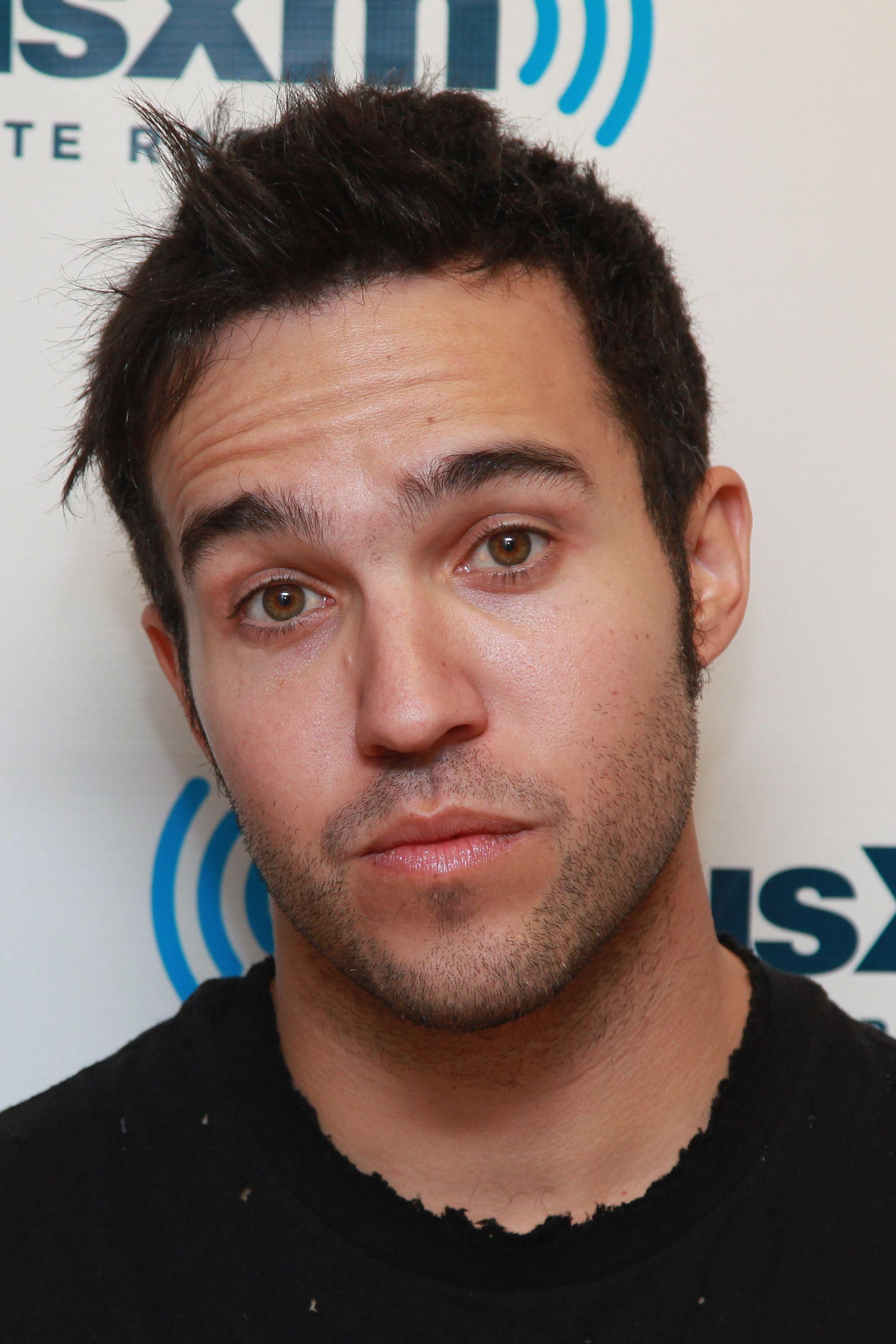
If you were anywhere near a radio or a Myspace page in 2005, you knew the face. The guyliner. The asymmetrical hoodie. The swooping hair that launched a thousand flat irons. But honestly, if you think Pete Wentz is just a relic of the "Sugar, We're Goin Down" era, you’re missing the biggest part of the story.
Pete Wentz is the primary lyricist and bassist for Fall Out Boy, but in 2026, his fingerprints are all over the music industry in ways that have nothing to do with a four-string bass. He’s the guy who basically wrote the blueprint for how a modern rock star survives the internet.
He didn't just play the game; he built the stadium.
The Chicago Hardcore Roots Nobody Talks About
Before the platinum records, Pete was just a kid in Wilmette, Illinois, obsessed with the Chicago hardcore scene. He wasn't some manufactured pop-punk product. We’re talking about a guy who was screaming his lungs out in bands like Arma Angelus and Racetraitor.
Racetraitor was intense. They were political, loud, and definitely not "radio-friendly."
Pete actually credits this era for his work ethic. He once mentioned that music felt more challenging than sports, and he loved that friction. When he eventually teamed up with Joe Trohman to start a "pop-punk side project" called Fall Out Boy, it was supposed to be a vacation from the heavy stuff.
It turned out to be a career.
When Patrick Stump walked in to audition as a drummer but ended up being the voice of a generation, the chemistry was instant. Pete had the words—messy, poetic, over-the-top words—and Patrick had the soul-infused melodies to make them stick.
The Business of Being Pete Wentz
Most musicians get a check and buy a car. Pete got a check and started a label.
Decaydance Records (now known as DCD2 Records) wasn't just a vanity project. Pete has a weirdly sharp eye for talent. He’s the reason we have Panic! At The Disco. He signed them before they’d even played a live show because he saw a demo and just knew. He did the same for Gym Class Heroes and Cobra Starship.
His business ventures didn't stop at music:
- Clandestine Industries: His clothing line that became the uniform for emo kids everywhere.
- Bartskull Films: A production company for music videos and creative projects.
- Angels & Kings: A string of bars that became legendary nightlife spots in Chicago and NYC.
He’s basically the "cool older brother" of the music industry. He’s the one new artists call when they don't know how to handle a viral moment or a bad contract. In a 2025 interview, he mentioned that he loves seeing a band he believes in hit that "triple at a Little League game" moment. It’s about the legacy, not just the royalties.
Why Pete Wentz Still Matters (The Taylor Swift Connection)
You can't talk about modern pop lyrics without talking about Pete’s influence. Even Taylor Swift has cited him as one of her biggest inspirations. She once called his writing "genius," and you can hear it. That specific style of "diary-entry-meets-sarcastic-metaphor" is a Pete Wentz staple.
"The best part of 'believe' is the 'lie'."
That line from "Sugar, We're Goin Down" is peak Wentz. It’s simple, it’s a pun, and it’s devastatingly catchy. He turned teenage angst into high art, and now artists like Olivia Rodrigo and Halsey are carrying that torch.
He made it okay to be wordy. He made it okay to be dramatic.
Mental Health and the "Drugstore Cowboy" Days
It hasn't all been gold records and red carpets. Pete has been incredibly open about his struggles with Bipolar Disorder.
Back in 2005, right before From Under the Cork Tree blew up, he had a massive emotional breakdown. He’s talked about sitting in a Best Buy parking lot, listening to Jeff Buckley, and taking enough Ativan to land him in the hospital.
It was a wake-up call.
Today, Pete is a massive advocate for mental health. He works with organizations like the Jed Foundation and the Child Mind Institute. He’s moved away from what he calls the "drugstore cowboy" lifestyle. Now, his "rock star" rider is mostly new socks and underwear. He’s a dad first. He’s often spotted taking his kids to tennis or making pancakes while jet-lagged.
That grounding is what kept him alive when so many of his peers burned out.
What's He Doing Right Now?
As of 2026, Fall Out Boy is still a touring juggernaut. After the success of So Much (for) Stardust, the band proved they could return to their rock roots without losing their pop sensibility. Pete is still the face of the operation, but he’s much more comfortable in his skin these days.
He isn't chasing the paparazzi anymore. He’s running a label, raising three kids (Bronx, Saint, and Marvel), and occasionally showing up in a viral meme—like that classic one of him walking past a starstruck Bruno Mars.
If you want to understand the "Pete Wentz effect," look at your favorite artist's lyrics. If they’re honest, a bit too long, and feel like a secret shared between friends, Pete probably had a hand in it.
Actionable Insights for Fans and Creators
- Study the Lyrics: If you’re a songwriter, go back and read the liner notes for Infinity on High. Pay attention to how he uses wordplay to hide heavy emotions.
- Check Out DCD2: Don't just stick to the hits. Pete's label is constantly signing under-the-radar talent like Daisy Grenade or Games We Play.
- Prioritize the "Mental" Over the "Physical": Follow Pete’s lead on mental health. He’s proof that you can be successful and still struggle—and that asking for help is the most "punk rock" thing you can do.